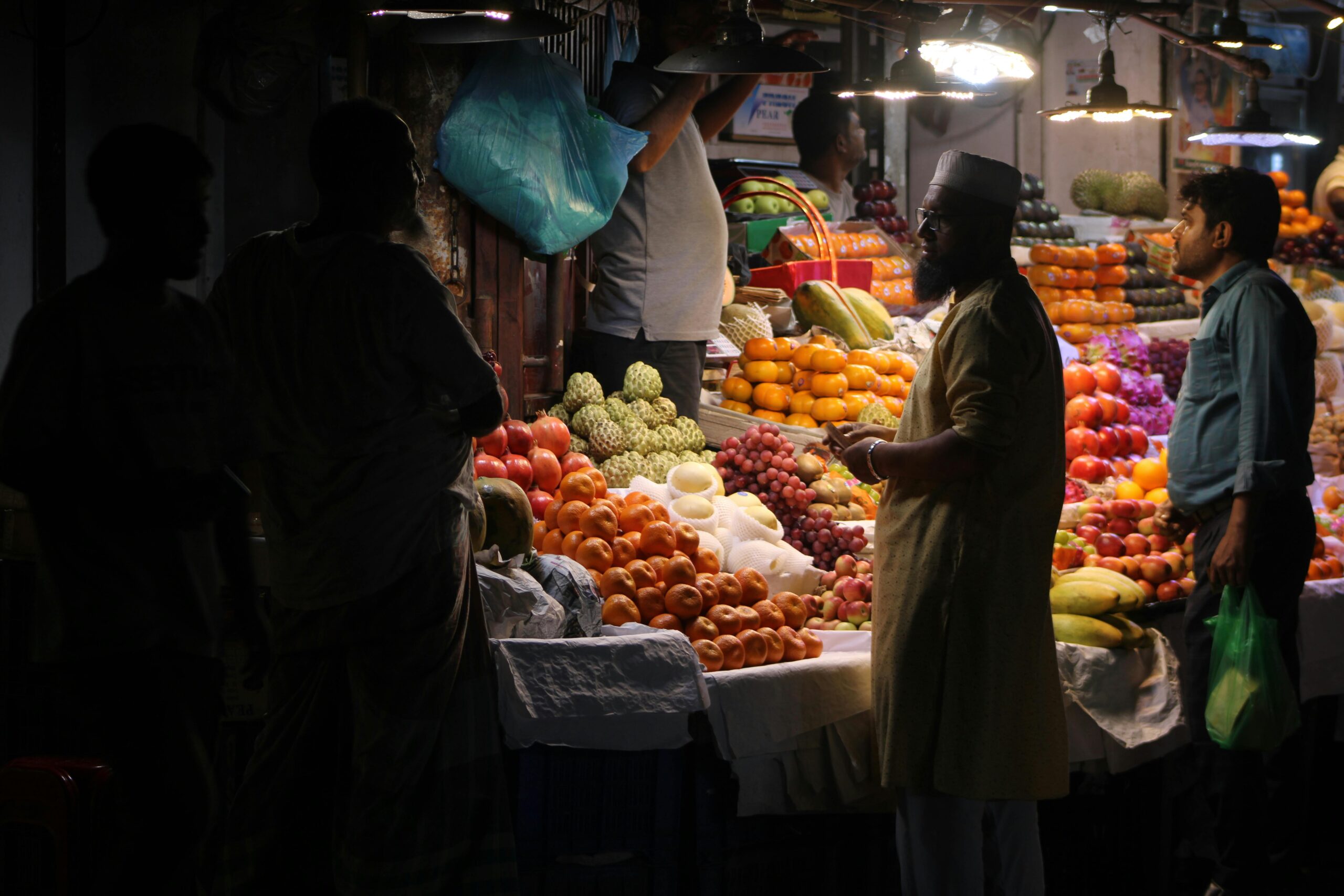
In Islamic civilization, trade is not merely a means of material gain; it is a discipline built upon honesty, trust, and social justice. At the heart of this tradition lies the fact that the Prophet Muhammad himself (peace be upon him) was known in his youth as “al-Amin” (the Trustworthy) due to his integrity as a merchant. This legacy elevated trade beyond a mere profession, transforming it into an honorable virtue that serves humanity.
At the core of this system is an unwavering principle of “transparency.” According to Islamic law, concealing a defect or flaw in a product is not only a moral weakness but also a legal offense. The obligation of the seller to disclose any faults ensures consumer protection—established as early as 1,400 years ago. Guided by the principle “Whoever deceives us is not one of us,” this understanding strictly prohibits fraud in weights and measures and regards delivering everyone their due in full as a sacred duty.
However, not every means of profit is considered legitimate in Islam; clear boundaries are drawn to prevent exploitation and unjust gain. Earning money from money alone (interest/usury) is prohibited, as it is seen as a tool of exploitation that excludes labor. Similarly, practices such as hoarding essential goods to drive up prices (black market activities) and engaging in speculative, gamble-like transactions with uncertain outcomes are considered unethical. For a transaction to be valid, the most fundamental condition is that both parties act with full freedom and “mutual consent”; any deal conducted through coercion or manipulation loses its legitimacy.
Islamic economics also opposes the concentration of wealth in the hands of a few as a source of power. At this point, trade merges with social responsibility. A successful merchant purifies their wealth by sharing a portion of their earnings with those in need through zakat (obligatory charity) and sadaqah (voluntary charity). This culture of sharing helps maintain social balance and ensures that economic prosperity is distributed more broadly across society. Ultimately, trade in Islam represents a trust-centered philosophy of life that protects the buyer, imposes moral responsibility on the seller, and places societal well-being at its core.